

As a paediatric occupational therapist, one of the most common concerns I hear from families is some version of: “My child is so smart, but everyday activities seem much harder for them than they should be.” Often, underlying these challenges are differences in how a child processes sensory information.
This article explains what Sensory Processing Disorder (SPD) is, and how it can affect the development of higher-level skills, daily functioning, and a child’s participation in home, school, and community life.
What Is Sensory Processing Disorder?
Sensory processing refers to the way the nervous system receives, organizes, and interprets information from the senses in order to respond appropriately. These senses include not only touch, sight, sound, taste, and smell, but also:
- Vestibular input (movement and balance)
- Proprioceptive input (body awareness, force, and position)
- Interoceptive input (internal body cues such as hunger, thirst, and emotional states)
Sensory Processing Disorder is a term used to describe when the brain has difficulty organizing and responding to this sensory information in an efficient way. Sensory processing differences are often missed or mislabelled, however these are widely recognised in occupational therapy and neuroscience and are commonly seen in children with and without other diagnoses.
A child may be:
- Over-responsive (sensory input feels overwhelming or threatening)
- Under-responsive (sensory input may go unnoticed)
- Sensory-seeking (craves intense sensory experiences)
- Or demonstrate a mixed profile, depending on the sensory system and environment
How Sensory Processing Affects Development
Sensory processing is foundational to learning and behaviour. When a child’s nervous system struggles to interpret sensory input, a large amount of energy is spent trying to stay regulated, organised, or alert. This can interfere with the development of higher-level skills, including:
- Attention and executive functioning, such as following directions, transitioning between tasks, and staying focused
- Emotional regulation, leading to frequent meltdowns, anxiety, or difficulty calming down
- Motor planning and coordination, affecting handwriting, self-care skills, and participation in play or sports
- Social interaction, as children must process complex sensory and social cues simultaneously
These challenges are not behavioural choices; they reflect how the child’s nervous system is processing information.
Impact on Daily Function and Participation
Sensory processing differences often show up in everyday routines. A child may struggle with:
- Tolerating clothing textures, grooming, or bathing
- Eating a variety of foods due to texture or smell sensitivities
- Sitting, listening, and completing work at school
- Managing transitions or busy environments such as stores or social gatherings
- Participating independently in play, family routines, or community activities
Over time, these difficulties can limit a child’s confidence, independence, and willingness to participate.
How Occupational Therapy Can Help
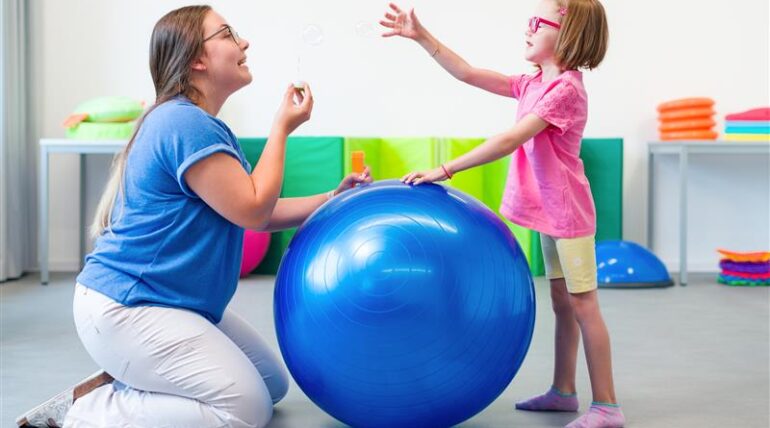
Paediatric occupational therapy focuses on helping children function successfully in their real-life environments. Support may include identifying a child’s sensory needs, building regulation skills, adapting routines or environments, and providing practical strategies for home and school.
The goal is not to change who a child is, but to support their nervous system so they can engage more fully in daily life.
Final Thoughts
Sensory processing differences are not a reflection of a child’s motivation, intelligence, or behaviour. They are a neurological difference that can significantly influence development, function, and participation.
With understanding, appropriate support, and a strengths-based approach, children with sensory processing challenges can build resilience, independence, and meaningful engagement in the activities that matter most to them.
If you have concerns about your child’s sensory processing or daily functioning, a paediatric occupational therapist can help assess their needs and guide next steps toward support.